

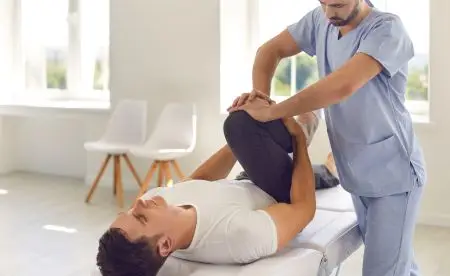
Whether you’re an athlete, a weekend runner, or someone who enjoys an active lifestyle, an ACL injury can be one of the most frustrating knee injuries to experience. The anterior cruciate ligament (ACL) is one of the most important ligaments in your knee, providing stability during walking, running, jumping, and sudden changes in direction.
An ACL injury can significantly impact mobility, making everyday activities difficult and preventing you from participating in sports or exercise. Fortunately, modern ACL injury treatment options have advanced significantly, helping patients return to their normal routines safely and effectively.
In this guide, we’ll explain everything you need to know about ACL injuries, including symptoms, causes, diagnosis, treatment options, ACL tear recovery, and how orthopedic specialists manage sports knee injury cases.
What Is an ACL Injury?
The anterior cruciate ligament (ACL) connects the thigh bone (femur) to the shin bone (tibia). It helps stabilize the knee by controlling forward movement and rotation.
An ACL injury occurs when this ligament is stretched, partially torn, or completely ruptured.
ACL injuries are especially common among athletes who participate in:
- Basketball
- Soccer
- Football
- Volleyball
- Tennis
- Skiing
- Gymnastics
However, anyone can suffer an ACL injury from falls, accidents, or sudden twisting movements.
Common Causes of ACL Injuries
Most ACL injuries happen without direct contact. They usually occur during movements involving sudden stopping or twisting.
Common causes include:
- Sudden changes in direction
- Pivoting on one foot
- Landing awkwardly after a jump
- Hyperextending the knee
- Sudden deceleration while running
- Direct impact during sports
- Car accidents or traumatic injuries
Women participating in competitive sports have a slightly higher risk due to differences in anatomy, muscle strength, and movement mechanics.
Symptoms of an ACL Injury
Symptoms often appear immediately after the injury.
Common signs include:
A Loud “Pop”
Many patients report hearing or feeling a popping sensation when the ligament tears.
Severe Knee Pain
Pain usually develops immediately and may make it difficult to continue physical activity.
Swelling
Rapid swelling often develops within a few hours because of bleeding inside the joint.
Knee Instability
Many people describe the feeling that their knee is “giving way.”
Limited Range of Motion
The knee becomes stiff, making bending or straightening difficult.
Difficulty Walking
Putting weight on the injured leg can become painful or impossible.
Types of ACL Tears
ACL injuries are classified according to severity.
Grade 1
- Mild stretching
- Ligament remains intact
- Knee remains stable
Grade 2
- Partial tear
- Moderate instability
- Pain and swelling
Grade 3
- Complete ligament rupture
- Significant instability
- Often requires surgical treatment
How Doctors Diagnose an ACL Injury
Early diagnosis is essential for successful ACL injury treatment.
Your orthopedic specialist may perform:
Physical Examination
Special knee stability tests include:
- Lachman Test
- Pivot Shift Test
- Anterior Drawer Test
These tests evaluate ligament integrity.
X-rays
Although X-rays cannot show ligaments, they help rule out fractures.
MRI Scan
MRI is considered the gold standard for diagnosing ACL tears because it clearly shows:
- ACL damage
- Meniscus injuries
- Cartilage damage
- Bone bruising
- Other ligament injuries
Immediate First Aid After an ACL Injury
If you suspect an ACL tear, follow the RICE method immediately.
Rest
Avoid putting weight on the injured knee.
Ice
Apply ice packs for 20 minutes every few hours.
Compression
Use an elastic compression bandage.
Elevation
Raise your leg above heart level to reduce swelling.
Seek orthopedic evaluation as soon as possible.
ACL Injury Treatment Options
Modern ACL injury treatment depends on several factors, including age, activity level, severity of injury, and overall knee stability.
Non-Surgical Treatment
Not every ACL tear requires surgery.
Conservative treatment may include:
Physical Therapy
A personalized rehabilitation program focuses on:
- Restoring motion
- Building muscle strength
- Improving balance
- Stabilizing the knee
Knee Braces
Functional braces provide additional stability during recovery.
Pain Management
Doctors may recommend:
- Anti-inflammatory medications
- Ice therapy
- Activity modification
Older adults or patients with lower activity levels often recover well without surgery.
ACL Reconstruction Surgery
Active individuals and athletes with complete tears often benefit from surgery.
During ACL reconstruction:
- The torn ligament is removed.
- A tendon graft replaces the damaged ACL.
- Small arthroscopic incisions minimize tissue damage.
- Recovery begins immediately after surgery.
Common graft choices include:
- Patellar tendon
- Hamstring tendon
- Quadriceps tendon
- Donor tissue (allograft)
Modern minimally invasive procedures have excellent long-term success rates.
ACL Tear Recovery Timeline
Every patient’s ACL tear recovery is different, but general timelines include:
Week 1–2
- Reduce swelling
- Manage pain
- Begin gentle movement
- Start physical therapy
Weeks 3–6
- Improve flexibility
- Regain knee motion
- Increase weight-bearing
Months 2–4
- Build muscle strength
- Improve balance
- Begin light exercises
Months 4–6
- Jogging
- Functional training
- Sport-specific drills
Months 6–9
Many patients gradually return to sports after medical clearance.
High-level athletes may require 9–12 months before full competition.
Physical Therapy During Recovery
Rehabilitation is just as important as surgery.
A structured program typically includes:
- Range-of-motion exercises
- Quadriceps strengthening
- Hamstring strengthening
- Balance training
- Core stability
- Walking progression
- Running drills
- Jump training
- Sport-specific rehabilitation
Skipping therapy significantly increases the risk of reinjury.
Returning to Sports After an ACL Injury
Returning too early can increase the chance of another ACL tear.
Orthopedic specialists evaluate:
- Knee stability
- Muscle strength
- Functional movement
- Balance
- Confidence
- Sport-specific performance
Patients should only return after completing rehabilitation successfully.
Preventing Sports Knee Injuries
Many sports knee injury cases can be prevented through proper conditioning.
Helpful prevention strategies include:
- Warm up before exercise
- Strengthen leg muscles
- Improve flexibility
- Practice proper jumping techniques
- Wear appropriate footwear
- Train balance and coordination
- Avoid sudden increases in training intensity
- Follow injury prevention programs
Athletes who regularly perform neuromuscular training experience fewer ACL injuries.
Possible Complications
Without proper treatment, ACL injuries can lead to:
- Chronic knee instability
- Meniscus tears
- Cartilage damage
- Early arthritis
- Recurrent injuries
- Reduced athletic performance
Early orthopedic care helps minimize long-term complications.
When Should You See an Orthopedic Specialist?
Seek medical attention immediately if you experience:
- A popping sound during injury
- Rapid knee swelling
- Severe pain
- Knee instability
- Difficulty walking
- Limited range of motion
- Repeated episodes of the knee giving way
Prompt diagnosis improves recovery outcomes.
Why Choose Bone & Joint for ACL Injury Treatment?
At Bone & Joint, experienced orthopedic specialists provide comprehensive care for knee injuries using advanced diagnostic tools and personalized treatment plans.
Patients benefit from:
- Comprehensive orthopedic evaluation
- Advanced imaging and diagnosis
- Non-surgical treatment options
- Arthroscopic ACL reconstruction
- Customized rehabilitation programs
- Sports medicine expertise
- Long-term recovery support
Whether you’re a professional athlete or someone who simply wants to return to an active lifestyle, expert orthopedic care can help restore knee function and confidence.
Frequently Asked Questions (FAQs)
1. What is the most common cause of an ACL injury?
Most ACL injuries occur during sports that involve sudden stopping, pivoting, jumping, or changing direction quickly.
2. Can an ACL tear heal without surgery?
Partial ACL tears or injuries in less active individuals may heal with physical therapy, bracing, and rehabilitation. Complete tears in active patients often require surgery.
3. How long does ACL tear recovery take?
Most patients recover within 6 to 9 months, although athletes returning to competitive sports may need 9 to 12 months.
4. What are the first signs of an ACL injury?
A popping sound, immediate knee pain, swelling, instability, and difficulty walking are common early symptoms.
5. Is physical therapy necessary after ACL injury treatment?
Yes. Physical therapy is essential for restoring strength, stability, flexibility, and reducing the risk of future knee injuries.
Conclusion
An ACL injury doesn’t have to end your active lifestyle. With early diagnosis, the right ACL injury treatment, and a structured rehabilitation plan, most patients can make a successful ACL tear recovery and return to the activities they enjoy.
Ignoring symptoms or delaying treatment can lead to chronic instability and long-term joint damage. If you’ve experienced a sports knee injury, consult an orthopedic specialist promptly to receive a personalized treatment plan and begin your recovery journey with confidence.
Read Also:- Quadriceps Autograft for ACL Reconstruction: A Safe and Effective Option

