

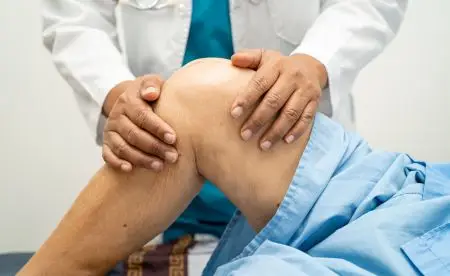
Living with chronic knee pain can make even the simplest daily activities feel challenging. Walking upstairs, standing for long periods, exercising, or even getting out of bed may become increasingly difficult when your knee joint is severely damaged. While medications, physical therapy, and lifestyle changes can help manage symptoms for some people, there comes a point when surgery may offer the best opportunity for lasting pain relief and improved mobility.
One of the biggest concerns patients have before surgery is understanding the recovery time for knee replacement. Many people wonder how long they’ll need to stay off work, when they’ll be able to drive again, and how soon they can return to enjoying everyday activities. Knowing what to expect during recovery helps patients prepare mentally and physically for the journey ahead.
At Bone & Joint, we believe that informed patients recover with greater confidence. This comprehensive guide explains the entire healing process, discusses the recovery after knee replacement, highlights the signs you need a knee replacement, and provides practical tips for achieving the best possible outcome.
Understanding Knee Replacement Surgery
Knee replacement surgery, also called knee arthroplasty, is a procedure in which damaged cartilage and worn bone are replaced with durable artificial components. The goal is to eliminate pain, restore movement, and improve your quality of life.
Most patients undergo surgery because of severe osteoarthritis, but knee replacement may also be recommended for:
- Rheumatoid arthritis
- Post-traumatic arthritis
- Severe knee injuries
- Degenerative joint disease
- Knee deformities
- Chronic pain that limits daily activities
Modern surgical techniques have made knee replacement one of the safest and most successful orthopedic procedures performed today.
Signs You Need a Knee Replacement
Many people delay treatment because they believe knee pain is simply part of aging. However, persistent symptoms shouldn’t be ignored. Recognizing the signs you need a knee replacement can help you seek treatment before your condition significantly impacts your lifestyle.
Common warning signs include:
Persistent Pain
Pain that continues throughout the day or night—even while resting—is often a sign of advanced joint damage.
Difficulty Walking
If walking short distances becomes painful or requires a cane or walker, your knee may no longer be functioning properly.
Limited Range of Motion
Stiffness that prevents bending or straightening your knee normally can interfere with daily activities.
Swelling That Doesn’t Improve
Chronic swelling despite medication, ice therapy, or rest may indicate severe joint degeneration.
Knee Instability
Feeling like your knee gives out unexpectedly is another indication that the joint may require surgical treatment.
Reduced Quality of Life
If you have stopped enjoying hobbies, traveling, exercising, or spending time with family because of knee pain, surgery may become the most effective solution.
Recognizing these signs you need a knee replacement early allows orthopedic specialists to recommend the most appropriate treatment before the condition worsens.
Who Is a Good Candidate for Knee Replacement?
Not everyone with knee pain requires surgery. Doctors usually recommend knee replacement after conservative treatments have failed.
You may be an ideal candidate if you:
- Experience severe arthritis
- Have chronic knee pain lasting several months or years
- Cannot perform everyday activities comfortably
- Have significant joint stiffness
- Experience pain while resting
- Receive little relief from injections or medications
- Have noticeable joint deformity
A comprehensive evaluation, including physical examination, imaging studies, and medical history, helps determine whether surgery is the right option.
Recovery Time for Knee Replacement: What to Expect
One of the most common questions patients ask is about the recovery time for knee replacement. While recovery varies from person to person, understanding the general timeline helps set realistic expectations.
Recovery depends on several factors, including:
- Age
- Overall health
- Muscle strength before surgery
- Type of knee replacement
- Commitment to physical therapy
- Lifestyle habits
- Weight
- Presence of other medical conditions
Although everyone’s recovery journey is unique, most patients gradually regain independence over several months.
Recovery Time for Knee Replacement Surgery: Week-by-Week Timeline
Understanding the recovery time for knee replacement surgery helps patients prepare for each stage of healing.
Day 1–3
Most patients begin walking with assistance within 24 hours after surgery.
Physical therapists encourage gentle exercises to:
- Improve circulation
- Prevent blood clots
- Restore joint movement
- Reduce stiffness
Pain management medications help patients participate comfortably in rehabilitation.
Week 1
During the first week, the focus remains on:
- Walking with support
- Managing swelling
- Improving knee flexibility
- Performing prescribed exercises
- Protecting the surgical incision
Most patients continue physical therapy either at home or at an outpatient rehabilitation center.
Weeks 2–4
This stage brings noticeable improvements.
Many patients can:
- Walk longer distances
- Bend the knee more comfortably
- Perform light household activities
- Reduce reliance on walking aids
Swelling gradually decreases, although some discomfort remains normal.
The recovery time for knee replacement surgery during this period depends heavily on following exercise programs consistently.
Weeks 4–6
By this point, many patients begin returning to normal routines.
Depending on individual progress, patients may:
- Drive again (with physician approval)
- Walk independently
- Return to desk jobs
- Climb stairs more comfortably
- Increase daily activity levels
Although improvement continues, complete healing has not yet occurred.
Recovery After Knee Replacement: The Importance of Physical Therapy
One of the biggest factors influencing recovery after knee replacement is physical therapy. Surgery restores the joint, but rehabilitation teaches the body how to use it effectively again.
A structured therapy program focuses on:
- Strengthening surrounding muscles
- Improving flexibility
- Restoring balance
- Increasing endurance
- Enhancing joint mobility
- Preventing stiffness
Patients who consistently perform prescribed exercises often experience smoother recoveries and better long-term function.
Factors That Influence Recovery
No two patients recover exactly the same way. Several factors affect the recovery time for total knee replacement, including overall fitness, adherence to rehabilitation, nutrition, and the complexity of the surgery. Maintaining a positive mindset and following your surgeon’s instructions can significantly improve your outcome.
Recovery Time for Total Knee Replacement: Month-by-Month Recovery Timeline
While the first few weeks focus on reducing pain and regaining mobility, the recovery time for total knee replacement extends over several months. Healing is a gradual process, and each month brings noticeable improvements in strength, flexibility, and confidence.
Month 2 (Weeks 6–8)
By the second month, many patients notice that everyday activities become easier. Swelling continues to decrease, and the knee begins to feel more stable.
During this stage, patients often:
- Walk longer distances without assistance
- Experience improved balance
- Bend the knee more comfortably
- Resume light household chores
- Continue outpatient physical therapy
- Build muscle strength around the knee joint
Although pain is significantly reduced compared to the early recovery period, some stiffness—especially in the morning or after sitting for long periods—is still common. This is a normal part of recovery after knee replacement and usually improves with regular movement and exercise.
Month 3
By the third month, most patients regain a high level of independence. Many return to hobbies, social activities, and low-impact exercise.
Patients may be able to:
- Walk without pain for longer periods
- Climb stairs more comfortably
- Drive confidently if approved by their surgeon
- Return to office-based work
- Travel short distances
- Enjoy improved sleep as discomfort decreases
Although significant healing has occurred, it is important not to overexert the knee. Continuing strengthening exercises remains essential for long-term success.
Months 4–6
This period marks a major milestone in the recovery time for total knee replacement. Most patients experience substantial improvements in mobility and comfort.
Activities commonly resumed include:
- Swimming
- Cycling
- Golf
- Gardening
- Walking several miles
- Light recreational sports (with medical approval)
Patients often report that they can move more naturally and with far less pain than before surgery.
Months 6–12
Even though many people feel “fully recovered” by six months, internal healing continues for up to a year.
During this final stage:
- Scar tissue softens
- Muscles continue strengthening
- Swelling gradually resolves
- Joint flexibility improves
- Confidence in movement increases
The complete recovery time for knee replacement varies from one individual to another, but most patients achieve their maximum improvement within 12 months.
Managing Pain During Recovery After Knee Replacement
Pain management is an important part of recovery after knee replacement. While discomfort is expected after surgery, it gradually improves with proper care and rehabilitation.
Your orthopedic surgeon may recommend:
- Prescription pain medications
- Anti-inflammatory medicines
- Ice therapy
- Compression sleeves
- Elevating the leg
- Gentle stretching exercises
It is important to take medications only as directed and communicate with your healthcare provider if pain suddenly worsens or does not improve.
Swelling: A Normal Part of Recovery
Swelling can persist for several months after surgery. Although it may be concerning, mild to moderate swelling is usually a normal part of healing.
You can reduce swelling by:
- Elevating your leg above heart level
- Applying ice packs for 15–20 minutes several times a day
- Wearing compression stockings if recommended
- Staying active without overdoing it
- Avoiding prolonged standing
As the recovery time for knee replacement surgery progresses, swelling gradually becomes less noticeable.
Exercises That Support Recovery
Exercise is one of the most important factors in achieving a successful outcome. Consistent movement helps prevent stiffness, strengthens surrounding muscles, and improves flexibility.
Your rehabilitation program may include:
Quadriceps Strengthening
Strong thigh muscles provide better support for the new knee joint.
Examples include:
- Straight leg raises
- Quad sets
- Mini squats
- Seated knee extensions
Range of Motion Exercises
These exercises help restore flexibility.
Common examples include:
- Heel slides
- Knee bends
- Assisted stretching
- Stationary cycling
Walking
Walking is one of the safest and most effective ways to improve circulation and mobility during recovery after knee replacement.
Start with short walks and gradually increase distance according to your therapist’s guidance.
Balance Training
Improving balance reduces the risk of falls and builds confidence.
Exercises may include:
- Standing on one leg (with support)
- Heel-to-toe walking
- Step-ups
- Side stepping
Nutrition for Faster Healing
Good nutrition plays a major role in shortening the recovery time for total knee replacement. Your body requires adequate nutrients to repair tissues, reduce inflammation, and rebuild muscle.
Eat Plenty of Protein
Protein supports muscle repair and wound healing.
Good sources include:
- Chicken
- Fish
- Eggs
- Greek yogurt
- Beans
- Lentils
- Tofu
Increase Vitamin C Intake
Vitamin C helps produce collagen, which is essential for tissue healing.
Foods rich in vitamin C include:
- Oranges
- Strawberries
- Kiwi
- Bell peppers
- Broccoli
Include Calcium and Vitamin D
These nutrients help maintain strong bones around the new knee joint.
Sources include:
- Milk
- Cheese
- Yogurt
- Leafy green vegetables
- Fortified cereals
Stay Hydrated
Drinking enough water supports circulation, reduces fatigue, and promotes overall recovery.
Returning to Everyday Activities
One of the most exciting parts of recovery after knee replacement is returning to normal life. However, every activity should be resumed gradually and only with your surgeon’s approval.
Driving
Most patients can return to driving within four to six weeks, provided they:
- No longer require narcotic pain medication
- Have good muscle control
- Can safely perform emergency braking
Recovery time varies depending on whether the surgery was performed on the right or left knee and individual healing progress.
Returning to Work
The timing depends on your occupation.
- Desk jobs: Approximately 4–6 weeks
- Light-duty work: Around 6–8 weeks
- Physically demanding jobs: Three months or longer
Always follow your surgeon’s recommendations before returning to work.
Climbing Stairs
Initially, climbing stairs may be challenging. Physical therapy focuses on strengthening the muscles needed for safe stair navigation. Most patients become more comfortable with stairs within several weeks.
Sleeping Comfortably
Many patients experience difficulty sleeping during the early stages of recovery due to pain or stiffness.
Helpful tips include:
- Sleeping on your back with a pillow under your calf (not directly under the knee)
- Using pillows for support when sleeping on your side
- Taking pain medication as prescribed before bedtime
- Applying ice before sleep to reduce discomfort
Common Mistakes That Can Delay Recovery
Although modern knee replacement surgery has a high success rate, certain habits can slow healing and extend the recovery time for knee replacement surgery.
Avoid these common mistakes:
Skipping Physical Therapy
Missing therapy sessions or neglecting home exercises can lead to stiffness, reduced flexibility, and weaker muscles.
Doing Too Much Too Soon
While staying active is important, excessive walking, lifting, or exercising can increase swelling and delay healing.
Ignoring Pain or Swelling
Persistent or worsening pain should never be ignored. Contact your healthcare provider if symptoms become severe.
Poor Nutrition
A diet lacking protein, vitamins, and minerals can slow tissue repair.
Missing Follow-Up Appointments
Regular checkups allow your orthopedic surgeon to monitor healing, evaluate progress, and address concerns early.
When Should You Contact Your Doctor?
While most recoveries are smooth, seek medical attention immediately if you experience:
- Fever over 101°F (38.3°C)
- Increasing redness around the incision
- Drainage from the surgical site
- Severe swelling that does not improve
- Chest pain or shortness of breath
- Sudden calf pain or swelling (possible blood clot)
- Persistent inability to bear weight on the leg
Early treatment of complications can prevent more serious problems and support a successful recovery.
Life After Knee Replacement: What to Expect Long-Term
Completing your recovery after knee replacement is a major milestone, but maintaining your new joint is just as important as the surgery itself. Most patients find that once they have fully healed, they can return to an active lifestyle with significantly less pain and greater confidence in their movement.
Many people are surprised by how much their quality of life improves after surgery. Activities that were once difficult—such as walking through the park, climbing stairs, traveling, gardening, or spending time with family—often become enjoyable again.
Although your new knee is designed to function like a healthy joint, it is still important to care for it properly. Adopting healthy habits will help protect your knee replacement and maximize its lifespan.
Why Choose Bone & Joint?
At Bone & Joint, we understand that choosing knee replacement surgery is a significant decision. Our experienced orthopedic specialists are committed to providing compassionate, patient-centered care from your first consultation through every stage of recovery.
Our approach includes:
- Comprehensive orthopedic evaluations
- Personalized treatment plans
- Advanced diagnostic imaging
- Modern surgical techniques
- Individualized rehabilitation programs
- Ongoing follow-up care
- Education to help patients make informed decisions
Whether you’re exploring treatment options or preparing for surgery, our team is dedicated to helping you regain mobility, reduce pain, and return to the activities you enjoy most.
Frequently Asked Questions (FAQ)
1. What is the average recovery time for knee replacement?
The average recovery time for knee replacement is about three to six months for most daily activities. However, complete healing and maximum improvement can take up to one year.
2. What is the recovery time for total knee replacement?
The recovery time for total knee replacement varies depending on age, overall health, and commitment to rehabilitation. Many patients resume normal activities within three months, while full recovery may continue for 12 months.
3. How painful is recovery after knee replacement?
Some pain and swelling are expected after surgery, particularly during the first few weeks. With proper pain management, physical therapy, and rehabilitation, discomfort gradually decreases as healing progresses.
4. What are the signs you need a knee replacement?
Common signs you need a knee replacement include persistent knee pain, severe arthritis, swelling, joint stiffness, difficulty walking, reduced range of motion, and pain that interferes with daily life despite conservative treatments.
5. When can I walk without assistance after knee replacement surgery?
Many patients begin walking with assistance within a day after surgery and gradually transition to walking independently within four to eight weeks, depending on individual progress.
6. Can I climb stairs after knee replacement?
Yes. Climbing stairs becomes easier as strength and flexibility improve through physical therapy. Most patients notice significant improvement within several weeks.
7. How long do knee replacement implants last?
Modern knee replacement implants typically last 15–20 years or longer, especially when patients maintain a healthy weight, stay active, and follow their orthopedic surgeon’s recommendations.
Conclusion
Living with chronic knee pain doesn’t have to be a permanent part of life. When conservative treatments no longer provide relief, knee replacement surgery can offer a lasting solution by reducing pain, improving mobility, and restoring independence.
Understanding the recovery time for knee replacement helps patients prepare for each stage of healing with realistic expectations. While everyone heals at a different pace, consistent physical therapy, proper nutrition, and following your surgeon’s recommendations play a vital role in achieving the best outcome.
Knowing the signs you need a knee replacement—such as persistent pain, stiffness, swelling, limited mobility, and difficulty performing everyday activities—can help you seek timely medical care before your condition worsens.
The recovery time for knee replacement surgery and recovery time for total knee replacement require patience, dedication, and a commitment to rehabilitation. Most patients experience significant improvements within a few months, with continued healing over the course of a year. The reward is often a dramatic improvement in comfort, movement, and overall quality of life.
If persistent knee pain is preventing you from enjoying daily activities, consult the experienced orthopedic team at Bone & Joint. With expert care, advanced treatment options, and personalized rehabilitation, you can take the first step toward a healthier, more active future.

