

A broken ankle is not just a simple injury—it can significantly impact your mobility, lifestyle, and overall quality of life for weeks or even months. Whether it happens due to a fall, sports injury, accident, or sudden twist, an ankle fracture requires proper care, patience, and medical attention. One of the most frequently asked questions by patients is about the time to heal broken ankle and how long it takes before they can return to normal activities. Understanding the healing process can help reduce anxiety and allow individuals to prepare mentally and physically for recovery.
When people search for answers like broken ankle recovery time, fractured ankle recovery time, or ankle broken how long to heal, they often expect a simple number. However, the truth is that recovery is not one-size-fits-all. It depends on multiple factors such as the type of fracture, age, health condition, and how well post-treatment instructions are followed. In this comprehensive guide, we will explore every detail related to ankle fracture healing, including timelines, treatment methods, recovery stages, and expert tips to speed up healing.
Understanding a Broken Ankle
A broken ankle occurs when one or more bones in the ankle joint are fractured. The ankle is a complex joint that connects the leg to the foot and plays a crucial role in movement and balance. It consists of three main bones: the tibia, fibula, and talus. Because this joint supports your entire body weight, even a minor fracture can lead to significant discomfort and mobility issues.
The severity of a fracture can vary widely. Some fractures are minor hairline cracks that heal relatively quickly, while others involve complete breaks or multiple bones, requiring surgical intervention. The nature of the fracture directly influences the fractured ankle recovery time and the overall healing process. In severe cases, ligaments and surrounding tissues may also be damaged, further extending the recovery timeline.
Types of Ankle Fractures and Their Impact on Healing
Different types of fractures affect the broken ankle recovery time differently. A stable fracture, where the bones remain aligned, typically heals faster and may not require surgery. These injuries are usually managed with a cast or brace, and patients can expect a smoother recovery process.
On the other hand, displaced fractures, where bones move out of alignment, often require surgical correction using plates or screws. These cases tend to increase the time to heal broken ankle, as the body needs additional time to recover from both the injury and the surgery. More complex fractures such as bimalleolar or trimalleolar fractures involve multiple bones and significantly extend the fractured ankle recovery time, sometimes requiring several months for complete healing.
Open fractures, where the bone pierces through the skin, are considered medical emergencies. These injuries not only prolong the healing process but also increase the risk of infection, making recovery more complicated and lengthy.
Time to Heal Broken Ankle: Detailed Timeline
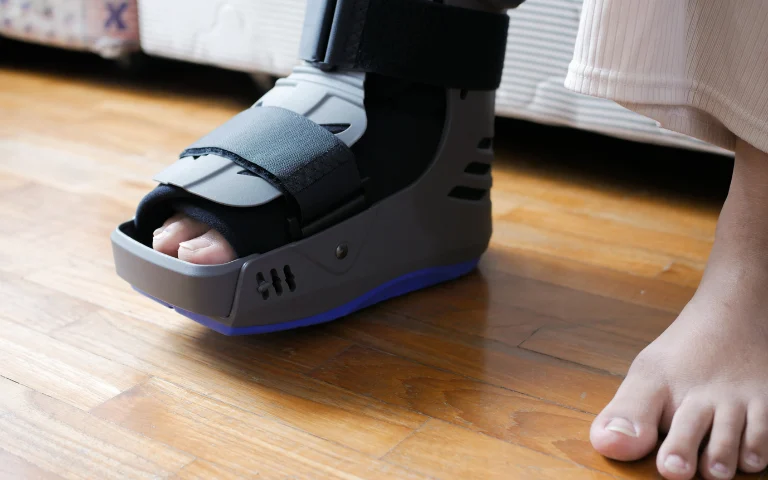
The time to heal broken ankle can be divided into different stages, each playing a crucial role in recovery. During the first phase, which lasts around 0 to 6 weeks, the body begins repairing the broken bone. This stage is characterized by swelling, pain, and inflammation. Patients are usually advised to keep weight off the affected foot and use a cast or walking boot to immobilize the ankle.
The second phase, typically between 6 to 12 weeks, marks the beginning of bone strengthening. During this period, the fracture starts to stabilize, and patients may gradually begin putting weight on the foot under medical supervision. Physical therapy is often introduced at this stage to restore mobility and prevent stiffness.
The final phase of recovery can extend from 3 to 6 months or even longer. This is when the bone regains its strength and normal function returns. For some individuals, especially those with severe fractures, the ankle broken how long to heal question may extend up to a year before full strength and flexibility are restored.
Factors Affecting Broken Ankle Recovery Time
Several factors influence the broken ankle recovery time, making it important to understand why healing may differ from person to person. Age is one of the most significant factors, as younger individuals tend to heal faster due to better bone regeneration capabilities. Older adults, especially those with conditions like osteoporosis, may experience slower healing.
The severity and type of fracture also play a major role. Minor fractures may heal within 6 to 8 weeks, while more severe injuries can take several months. Additionally, overall health, including nutrition and lifestyle habits, greatly affects recovery. A diet rich in calcium, vitamin D, and protein supports faster bone healing, while habits like smoking can delay recovery significantly.
Another important factor is adherence to medical advice. Patients who follow their doctor’s instructions carefully, including rest, immobilization, and therapy, generally experience a smoother and quicker recovery compared to those who neglect proper care.
Treatment Options and Their Role in Healing
Treatment for a broken ankle varies depending on the severity of the injury. Non-surgical treatment typically involves immobilizing the ankle using a cast or brace to allow the bones to heal naturally. This method is effective for stable fractures and usually results in a shorter fractured ankle recovery time.
In more severe cases, surgery may be required to realign the bones and stabilize them using hardware such as plates and screws. While surgical treatment may increase the initial recovery period, it often ensures proper healing and reduces the risk of long-term complications. Regardless of the treatment method, rehabilitation through physical therapy is essential to regain strength and mobility.
How Long Does It Take to Walk Again?
One of the biggest concerns for patients is mobility. The answer to ankle broken how long to heal often includes when walking becomes possible again. Most individuals can start walking with support after 6 to 8 weeks, depending on the severity of the fracture. However, walking without support may take around 10 to 12 weeks or longer.
Returning to full normal activities, including sports or physically demanding tasks, can take anywhere from 3 to 6 months. In some cases, mild discomfort or stiffness may persist even after the bone has healed completely, which is why continued exercise and therapy are important.
Tips to Speed Up Fractured Ankle Recovery Time
Improving your fractured ankle recovery time requires a combination of proper care, healthy habits, and patience. Keeping your leg elevated during the initial stages helps reduce swelling and promotes healing. Applying ice packs as recommended can also minimize pain and inflammation.
Nutrition plays a vital role in recovery. Consuming foods rich in calcium, vitamin D, and protein supports bone repair and strengthens the healing process. Staying hydrated and avoiding harmful habits like smoking or excessive alcohol consumption can further enhance recovery.
Physical therapy is another crucial aspect. Regular exercises designed by a professional help restore flexibility, improve balance, and prevent long-term stiffness. While it may be tempting to resume normal activities quickly, it is important to avoid putting too much pressure on the ankle too soon, as this can delay healing.
Common Mistakes That Delay Healing
Many patients unknowingly slow down their recovery by making simple mistakes. One of the most common errors is putting weight on the injured ankle too early, which can disrupt the healing process. Skipping follow-up appointments or ignoring medical advice can also lead to complications.
Another mistake is neglecting physical therapy. Even after the bone heals, the muscles and ligaments around the ankle need time and effort to regain strength. Without proper rehabilitation, patients may experience long-term stiffness or weakness.
Possible Complications
Although most ankle fractures heal successfully, complications can occur in some cases. Delayed healing or non-union, where the bone does not heal properly, can extend the time to heal broken ankle significantly. Infections may occur in surgical cases, especially if proper care is not taken.
Some patients may also develop arthritis in the ankle joint, particularly after severe fractures. This can cause long-term pain and stiffness, emphasizing the importance of proper treatment and rehabilitation.
FAQs
1. What is the average time to heal broken ankle?
The average healing time is around 6 to 12 weeks, but full recovery can take several months.
2. Can a broken ankle heal without surgery?
Yes, stable fractures can heal with casting or bracing without surgery.
3. How can I improve broken ankle recovery time?
Follow medical advice, eat a healthy diet, and participate in physical therapy.
4. When can I return to sports after a fractured ankle?
Most people can return to sports after 3 to 6 months, depending on recovery progress.
5. Is swelling normal after a broken ankle?
Yes, swelling can last for weeks or even months during the healing process.
Conclusion
Understanding the time to heal broken ankle is essential for managing expectations and ensuring a smooth recovery journey. While the broken ankle recovery time typically ranges from 6 weeks to several months, complete healing may take up to a year depending on the severity of the injury and individual health factors.
If you are wondering ankle broken how long to heal, remember that patience and proper care are key. Following your doctor’s advice, maintaining a healthy lifestyle, and committing to rehabilitation can significantly improve your fractured ankle recovery time. With the right approach, most individuals can fully recover and return to their normal activities without long-term complications.


Leave a Reply