

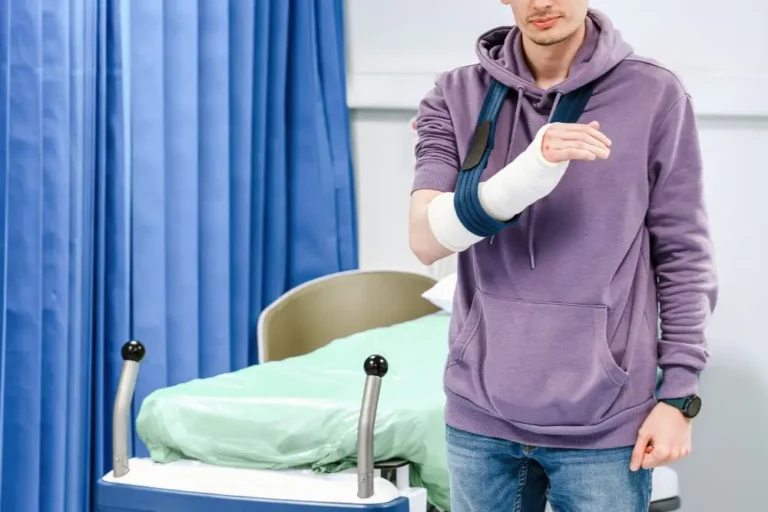
The wrist is one of the most complex and frequently used joints in the human body. Every day, we depend on it for tasks such as lifting, gripping, typing, writing, and stabilizing ourselves when we fall. Because of this constant use, the wrist is especially vulnerable to injuries—especially fractures. When people talk about the types of broken wrists, they are typically referring to the different ways the bones in the wrist can crack, shift, or break after trauma. While many individuals assume a wrist fracture is a simple injury, it is actually far more intricate. The wrist contains multiple small bones, as well as the ends of the radius and ulna, making it susceptible to many different patterns of injury.
This detailed guide explores the various kinds of wrist fractures, how they occur, what symptoms to look for, available treatment options, the recovery process, and the importance of choosing an experienced orthopedic specialist. Whether you experienced a fall or are simply educating yourself, understanding the many types of wrist breaks will help you recognize why proper diagnosis and timely treatment are essential for long-term function and comfort.
What Is a Wrist Fracture?
A wrist fracture generally refers to a break involving one of the two long forearm bones — the radius or the ulna — near where they meet the wrist. Most commonly, wrist fractures involve the distal radius, meaning the end of the radius close to the wrist joint.
When people say “broken wrist” or “wrist break,” they are often describing one of these distal radius fractures. But there are multiple types of wrist breaks, and each has its own implications for treatment and healing.
Why Do Wrist Fractures Happen?
One of the most common causes of wrist fractures is a fall onto an outstretched hand (often called a FOOSH injury).
Other risk factors include:
-
Osteoporosis (especially in older adults), which weakens bones and makes wrist fractures more likely.
-
High-energy trauma (e.g., sports injury, car accident), which can produce more complex breaks.
-
In children, incomplete fractures like greenstick fractures are more common because their bones are more flexible.
The Many Kinds of Wrist Fractures
When we talk about types of broken wrists, clinicians classify them into various kinds of wrist fractures based on how and where the bone breaks, whether the joint is involved, and how stable the fracture is.
Here are some of the major types of wrist breaks (or kinds of wrist fractures) you should know:
-
Distal Radius (Broken Wrist) Fracture
This is the most common type. The break happens in the part of the radius bone closest to the wrist.-
Colles’ Fracture: A classic variant where the broken part of the radius tilts upward (dorsal displacement).
-
Smith’s Fracture: Also known as the reverse Colles’ fracture; here, the fragment displaces toward the palm (volar displacement).
-
Barton’s Fracture: This is an intra-articular fracture (meaning it involves the wrist joint) and typically involves dislocation. There are dorsal and volar Barton’s fractures.
-
Die-punch Fracture: An intra-articular fracture of the lunate facet of the radius, caused by axial loading.
-
-
Radial Styloid (Chauffeur’s) Fracture
In this type of wrist break, the radial styloid (the bony prominence at the end of the radius, near the thumb side) is fractured.Historically, it was named Chauffeur’s fracture because it was associated with drivers who used hand cranks — when the crank backfired, it struck the wrist.
-
Ulnar Styloid Fracture
This is where the small bony protrusion on the end of the ulna breaks. It often happens along with a distal radius fracture. -
Scaphoid Fracture
The scaphoid is one of the small carpal (wrist) bones, located near the base of the thumb. A scaphoid fracture is one of the kinds of wrist fractures that can be tricky to diagnose because the symptoms often mimic a sprain.Healing can be harder in this case because the area has a relatively poor blood supply, especially in the proximal (nearer) part of the scaphoid.
-
Galeazzi Fracture-Dislocation
This is a more complex type of wrist break: a fracture of the distal third of the radius along with dislocation of the distal radioulnar joint (DRUJ). -
Essex-Lopresti Injury
A less common but serious injury where there is a fracture of the radial head (near the elbow) plus dislocation of the distal radioulnar joint, and disruption of the interosseous membrane.Greenstick / Torus (Buckle) Fractures
These are typically seen in children:-
Greenstick fracture: The bone bends and cracks, but does not break all the way through.
-
Torus (Buckle) fracture: The bone compresses and buckles rather than breaking cleanly.
-
What Exactly Is a “Radial Wrist Break”?
When someone says radial wrist break, they usually mean a fracture of the radius bone at its distal end (near the wrist). The radius is the larger of the two forearm bones, and when it breaks near the wrist, it is often the most common type of wrist break.
This can take many forms — such as Colles’ fracture, Smith’s fracture, Barton’s fracture, or radial styloid fracture — depending on the direction and nature of the break.
Symptoms: How to Recognize Different Types of Wrist Breaks
The symptoms of wrist fractures can overlap, but certain kinds of wrist fractures may present with distinct signs. Common symptoms include:
-
Sudden pain after a fall or trauma
-
Swelling and bruising around the wrist
-
Tenderness to touch
-
Visible deformity in more severe breaks (e.g., Colles’ deformity)
-
Difficulty or inability to move the wrist or fingers
-
In some cases, numbness or tingling (especially if nerves are involved)
Because wrist fractures can affect different bones and joint surfaces, the severity — and the exact symptoms — depend on the type of wrist break.
Diagnosing the Various Types of Wrist Fractures
When a wrist fracture is suspected, a doctor (often an orthopedic specialist) will typically perform:
-
Physical Examination: Checking for deformity, swelling, range of motion, nerve function, and blood supply.
-
X-rays: Standard imaging to identify the exact location and type of fracture.
-
Advanced Imaging (if needed): Sometimes, CT scans or MRI are used — for example, in scaphoid fractures, where initial X-rays may not show the break.
Correctly identifying the type of wrist break is essential, because it determines how the fracture needs to be treated.
Treatment for Different Types of Broken Wrists
Depending on the kind of wrist fracture, treatment options vary. Here’s a breakdown of how different types of wrist breaks are managed:
-
Non-Surgical Treatment
-
Casting or Splinting: Many distal radius fractures (broken wrist) can be immobilized in a cast for several weeks.
-
Closed Reduction: If the bone fragments are displaced, a doctor may gently realign them without surgery and then cast.
-
Immobilization for Scaphoid Fracture: A scaphoid fracture may need a specialized cast or thumb spica cast to hold the bone stable during healing.
-
-
Surgical Treatment
Surgery may be necessary when the fracture is unstable, involves the joint (intra-articular), or if there is dislocation.-
Open Reduction and Internal Fixation (ORIF): Plates and screws may be used to realign and stabilize the broken parts. This is common for complex distal radius breaks like Barton’s fracture.
-
Percutaneous Pins / Kirschner Wires: For some fractures, pins are used temporarily to hold fragments in place.
-
Scaphoid Fixation: Because of blood supply issues, scaphoid fractures may sometimes need surgical screws to ensure proper healing.
-
Joint Dislocation Management: In cases like Galeazzi fracture-dislocation, surgical reduction of the joint plus fixation may be required.
-
-
Rehabilitation
After immobilization or surgery, physiotherapy plays a critical role to restore strength, flexibility, and function in the wrist. Standard care guidelines recommend monitoring, guided exercises, and gradual return to activity. -
Special Considerations
-
In older adults with osteoporosis, caution is needed to avoid further bone injury, and treatment may be more conservative.
-
In children, greenstick or torus fractures often heal well with casting and the bone’s natural remodeling ability.
-
Complications and Warning Signs
Even with proper treatment, certain types of wrist fractures carry risks. Complications can include:
-
Poor or delayed healing (nonunion), especially in scaphoid fractures.
-
Arthritis, if the fracture involves the joint surface (as in Barton’s fracture).
-
Nerve issues (e.g., median nerve problems) if the fracture causes swelling or the bone displaces.
-
Malunion (healing in a poor alignment), which may lead to deformity or functional limitations, particularly in Colles’ or Smith’s fractures.
-
For Galeazzi or Essex-Lopresti injuries: chronic joint instability if not properly treated.
Because of these risks, it’s important to follow up with your orthopedic specialist, adhere to therapy, and monitor recovery closely.
Prevention & Self-Care Tips
Here are some practical steps to reduce your risk of wrist fractures, especially the more common types of broken wrists:
-
Fall Prevention: Improve balance, remove trip hazards at home, use support rails, and wear good shoes.
-
Bone Health: Maintain good bone density through diet (calcium, vitamin D), exercise, and, if needed, medical treatment for osteoporosis.
-
Protective Gear: In sports or high-risk activities, use wrist guards or supports.
-
Early Action: If you experience wrist pain, swelling, or reduced movement after a fall, don’t ignore it — get it checked early.
-
Follow Rehabilitation Plans: Commit to physiotherapy and exercises prescribed by your doctor or therapist to regain strength and mobility.
Why Knowing the Types of Wrist Breaks Matters
Understanding the kinds of wrist fractures and types of wrist breaks is more than just medical jargon — it can profoundly affect your treatment plan and recovery:
-
The correct diagnosis informs whether you need surgery or non-surgical care.
-
It helps predict your recovery timeline. A simple greenstick fracture may heal faster than a complex Barton’s fracture.
-
It helps you understand potential complications and prepare for rehabilitation.
Meet Dr. Veronica Pedro, MD — Specialist in Wrist Fractures
At The Center for Bone & Joint, Dr. Veronica Pedro, MD is a board-certified, fellowship-trained orthopedic surgeon specializing in hand surgery and wrist care.
Here are some key details about her:
-
She has advanced training in upper extremity and microvascular surgery, with a certificate of added qualifications in hand surgery.
-
Her expertise includes hand and wrist fractures, traumatic soft tissue injuries, and reconstructive surgery of the arthritic hand and wrist.
-
Educational background: Medical degree from Loma Linda University School of Medicine (California), followed by internship and orthopedic residency at Loma Linda University Medical Center.
-
She completed a hand-surgery fellowship at the University of Alabama–Birmingham.
-
She is active in research, with publications in peer-reviewed journals, and is a member of professional bodies such as the American Academy of Orthopaedic Surgeons, the Southern Orthopaedic Association, the Florida Medical Association, and the Ruth Jackson Orthopaedic Society.
-
Beyond clinical care, Dr. Pedro also serves on the board of trustees for the Palms Wellington Surgical Center, and was previously on the board of trustees for Palms West Hospital.
-
She is known for providing technically excellent, compassionate, and timely medical care to her patients.
How to Connect with Dr. Veronica Pedro, MD:
To consult with Dr. Pedro, you can visit her profile on The Center for Bone & Joint’s website and request an appointment via their “Meet Our Doctors” page.
Final Thoughts
Wrist fractures are more than just a simple injury — there are many types of broken wrists and kinds of wrist fractures, each with unique characteristics and treatment needs. Whether it’s a radial wrist break, a scaphoid fracture, or a more complex Barton’s fracture, proper diagnosis and expert care matter.
If you suspect you have sustained a wrist injury, early evaluation by an orthopedic or hand-surgery specialist can make all the difference. And with specialists like Dr. Veronica Pedro, MD at The Center for Bone & Joint, you have access to expert, compassionate care tailored to your specific type of wrist break.


Leave a Reply